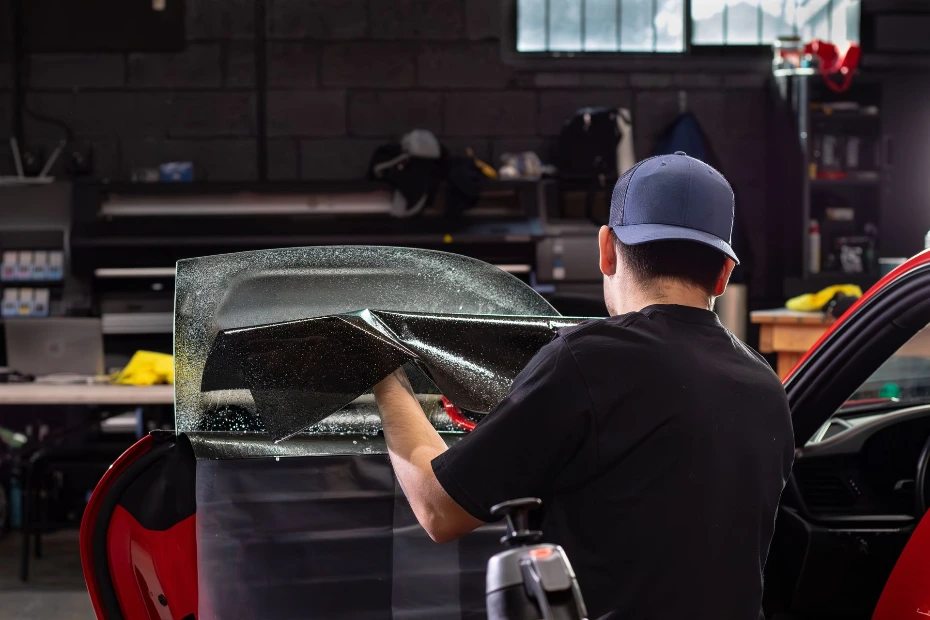
Window Tint
When chosen correctly, window tint helps improve comfort, reduce glare, and protect your interior without compromising visibility or legality. It is not just about making your car darker or more aggressive-looking.
We approach window tint the same way we approach everything else:
With clarity, context, and honest recommendations.
No pressure.
No upsells disguised as advice.
Window Tint
When chosen correctly, window tint helps improve comfort, reduce glare, and protect your interior without compromising visibility or legality. It is not just about making your car darker or more aggressive-looking.
We approach window tint the same way we approach everything else:
With clarity, context, and honest recommendations.
No pressure.
No upsells disguised as advice.
Tint Options, Explained Clearly
Not everyone drives in the same conditions or values the same outcomes. That is why we do not lead with generic tint packages.
Instead, we focus on comfort, visibility, and compliance.
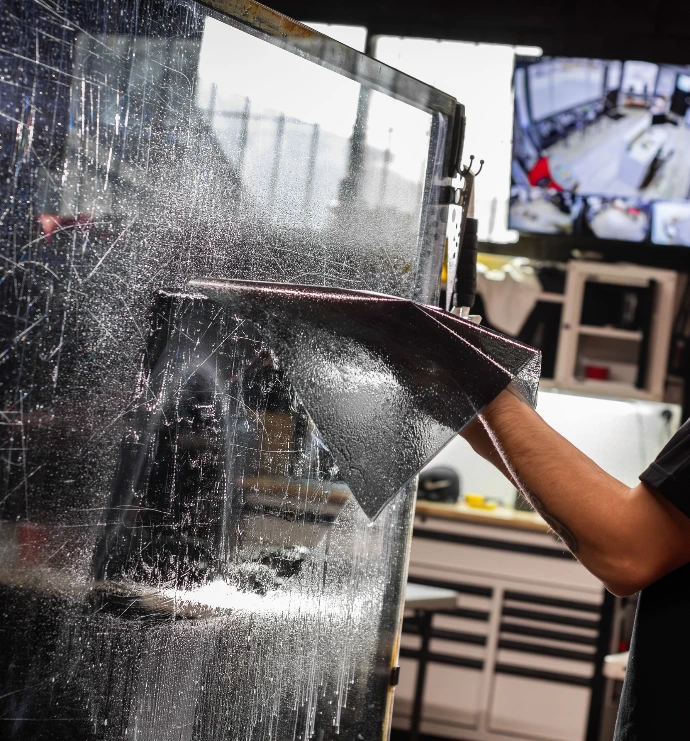
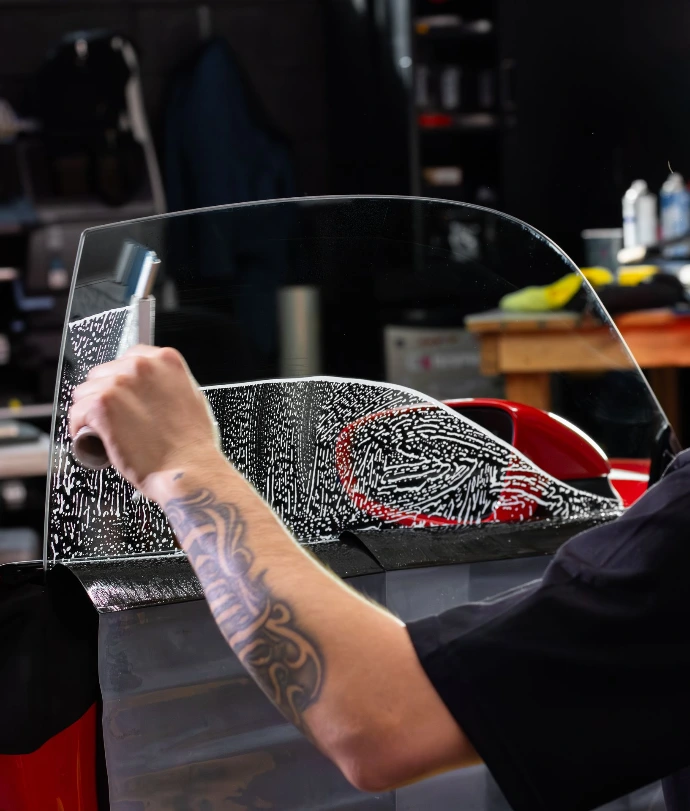
When style is your priority
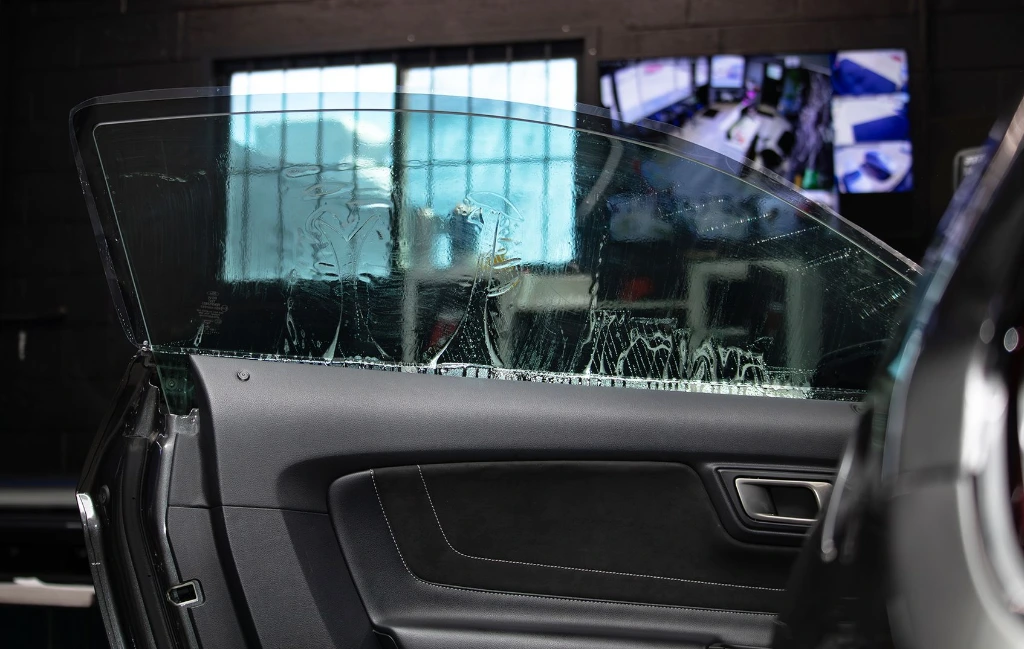
High-Performance Window Film
Primarily cosmetic. Limited heat rejection.
- Best for clients prioritizing appearance over performance.
(We explain when this makes sense, and when it doesn’t.)
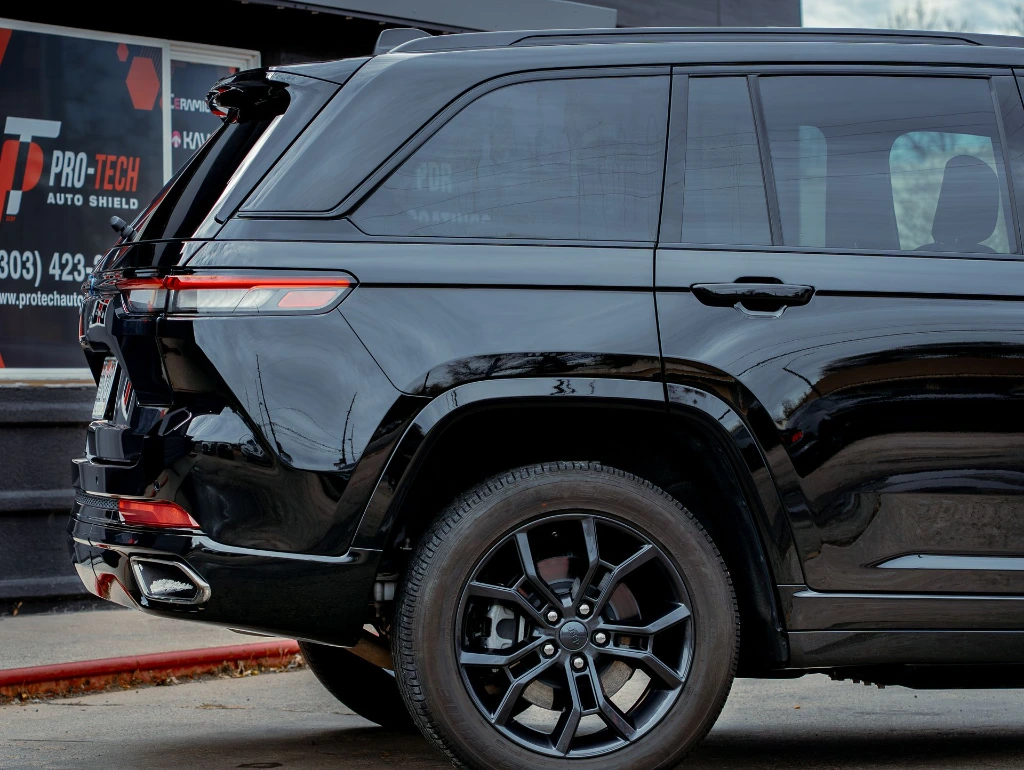
Our most popular choice
Ceramic Window Tint
Offers significant heat rejection, UV protection, and clarity without requiring extremely dark shades.
This is the option we recommend most often because it delivers meaningful benefits without unnecessary tradeoffs.
Comfort is always first
Windshield Tint (Clear or Very Light)
Designed to reduce heat and glare while maintaining full forward visibility.
Often overlooked, but one of the most impactful comfort upgrades when used correctly.
The right choice is the one that fits how you drive, not what sounds impressive on paper.
Our most popular choice
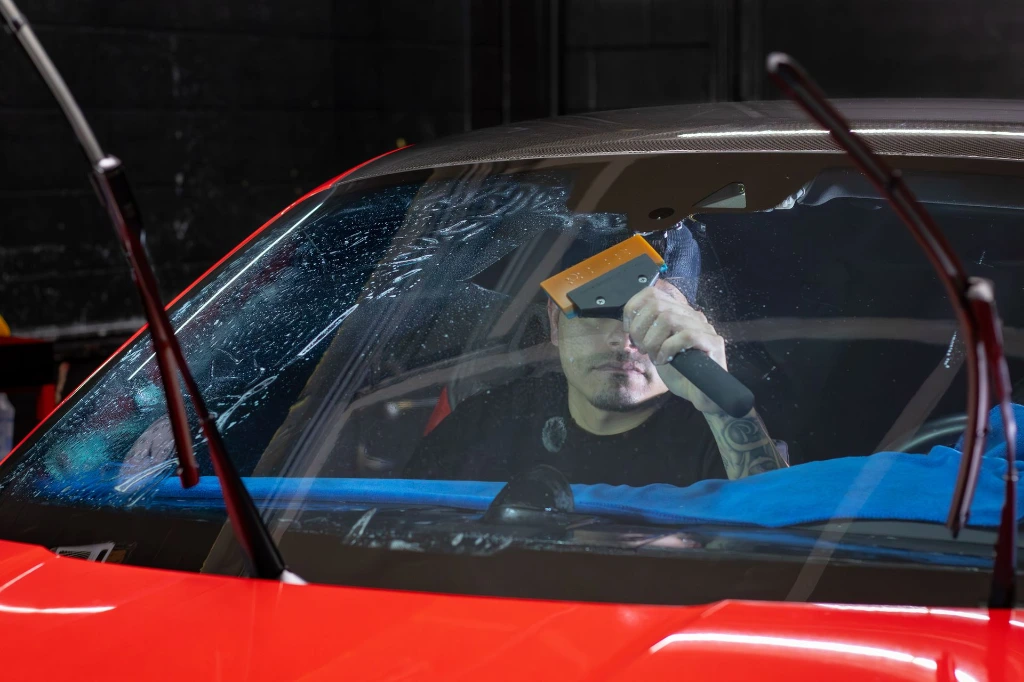
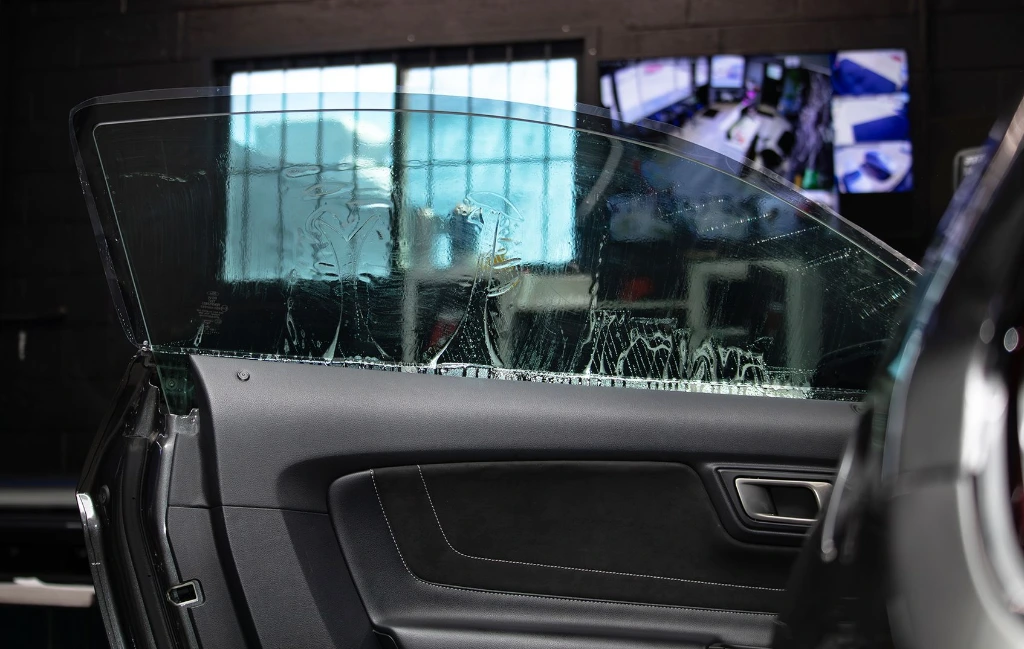
Ceramic Window Tint
Offers significant heat rejection, UV protection, and clarity without requiring extremely dark shades.
This is the option we recommend most often because it delivers meaningful benefits without unnecessary tradeoffs.
Comfort is always first
Windshield Tint (Clear or Very Light)
Designed to reduce heat and glare while maintaining full forward visibility.
Often overlooked, but one of the most impactful comfort upgrades when used correctly.
The right choice is the one that fits how you drive, not what sounds impressive on paper.
Is Window Tint Worth It?
Window tint is worth it when heat, glare, interior protection, or daily comfort matter to you.
That depends on:
How much time you spend driving
Your sensitivity to heat and glare
Where and how you park
Your personal comfort preferences
Questions?
Top Window Tint Questions Answered
If you are still weighing whether window tint makes sense for you, these are some of the most common questions we hear.
Yes. Ceramic tint provides significantly better heat rejection than dyed or metallic films. It reduces infrared heat while maintaining visibility, which improves comfort during daily driving. The difference is noticeable, especially in warm or sunny conditions.
No. Tint darkness affects visible light transmission, not heat rejection. A lighter ceramic tint can block more heat than a darker dyed tint. Heat rejection depends on the film technology, not the shade.
High-quality window tint typically lasts many years when installed correctly. Longevity depends on sun exposure, driving conditions, and film quality. Premium films are designed to resist fading, bubbling, and discoloration over time.
Colorado tint regulations are as follows:
- Front side windows: 27% visible light transmission (VLT)
- Rear side windows: No limit
- Rear window: No limit
- Windshield: Non-reflective tint permitted above the AS-1 line
We follow these limits when recommending tint options.
Law enforcement uses a tint meter to measure visible light transmission through the glass. If the measured VLT is below the legal limit, it may result in a citation.
Pricing varies based on vehicle size, glass complexity, and the type of film used. Because of these variables, pricing is best discussed during a consultation rather than estimated online.
Yes, window tint is removable. Professional removal is recommended, especially for older film, to reduce the risk of adhesive residue or damage to defroster lines. In rare cases, however, it may be cheaper to replace the glass completely.
Window tint is not necessary for every driver. Lower-quality films may fade or discolor over time, and excessively dark tint can reduce night visibility. Proper film selection and professional installation are important.
Tint percentage refers to visible light transmission (VLT). Lower percentages allow less light through and appear darker. For example, 70% is light, 50% is moderate, and 35% or lower is dark.
Not ready to commit? That is completely fine.
Some clients come in knowing exactly what they want. Others are still researching. Both are welcome here.
Protection should feel considered, not rushed.
Not ready to commit? That is completely fine.
Some clients come in knowing exactly what they want. Others are still researching. Both are welcome here.
Protection should feel considered, not rushed.
No obligation. No pressure.