
Quick Look:
- What Is Window Tint?
- What Window Tint Does Not Do
- Colorado Window Tint Laws
- Tint Options, Explained Clearly
- Does Window Tint Make Sense for My Older Vehicle?
- Is Window Tint Right for You?
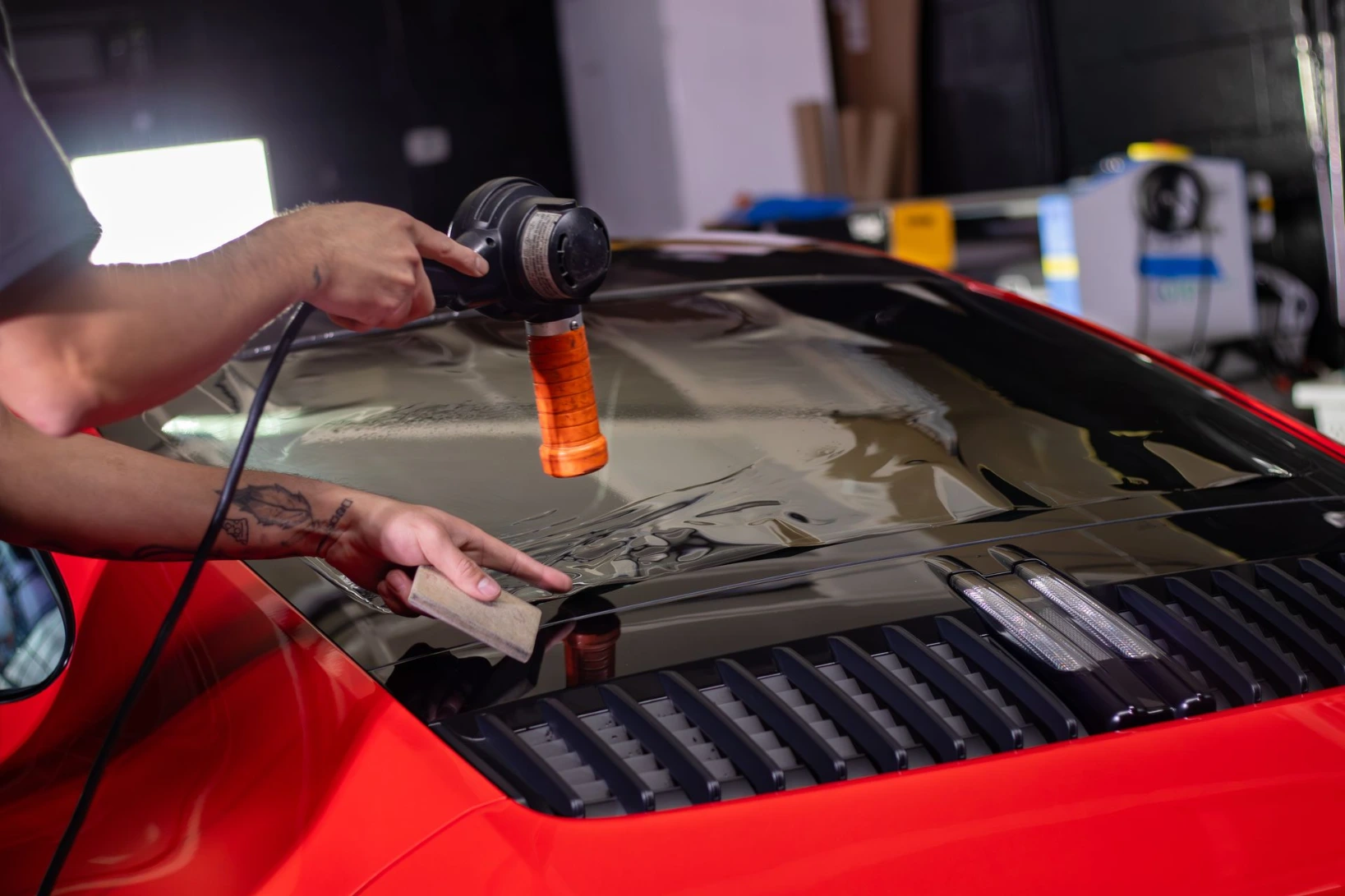
One of the first visual upgrades for many car owners is to tint their windows, but quality tint and installation isn’t cheap if you’re just in it for the aesthetic upgrade. While tint does provide a sleek appearance and added privacy, its real value comes from the functional benefits it delivers every day.
Unlike cosmetic modifications that are purely visual, window tint delivers real functional benefits by helping manage heat, reduce glare, and protect both you and your interior from long-term sun exposure. In fact, the Skin Cancer Foundation has acknowledged window tint for its role in helping reduce UV exposure while driving.
What Is Window Tint?
In this guide, we’ll explain what window tint actually does, what it doesn’t do, and how to decide whether it’s the right choice for your vehicle and driving habits.
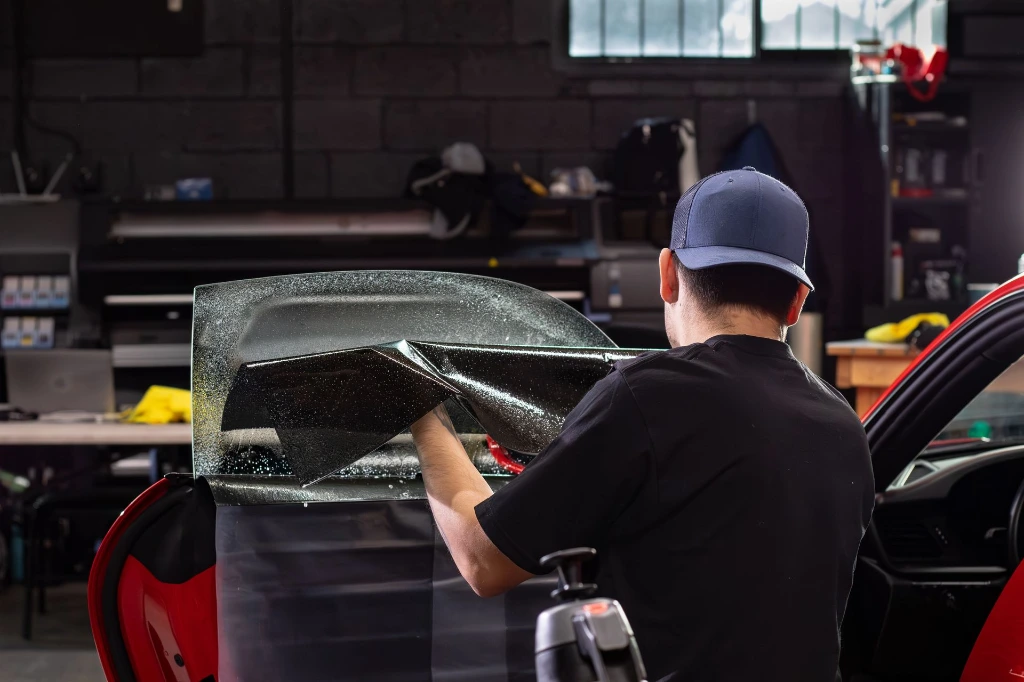
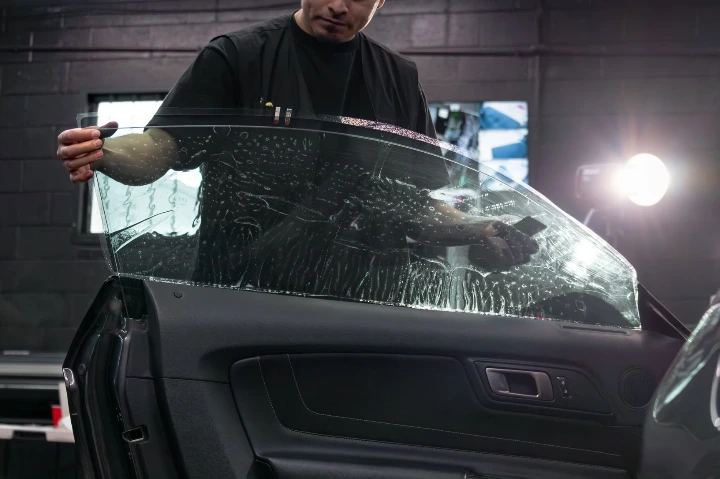
Window tint is a thin film applied to the inside surface of your vehicle’s glass. Depending on the film type and shade, it’s designed to improve comfort and visibility while providing protection from harmful UV rays, all without compromising clarity.
Window tint film construction varies across materials, most commonly seen in dyed, carbon, metallic, or ceramic tint. Each tint offers different performance characteristics, and depending on the film type, their visible light transmission (VLT), or shade, will vary as well. Professional-grade window tint is designed to:
Improve Interior Comfort: By rejecting a large portion of solar heat energy, tint keeps your cabin cooler. As a result, it will both help reduce the strain on your air conditioning system and enhance general comfort, especially during hot summer months.
Enhance Driver Visibility and Safety: Window tint’s most well known feature— especially on windshields—is that it cuts down on blinding glare from the sun, snow, or even the headlights of other vehicles at night. This glare reduction minimizes eye strain and improves the clarity of your view, contributing to safer driving conditions.
Provide Superior Protection from Harmful UV Rays: All quality window films are formulated to block 99% or more of UVA and UVB rays. Not only will it protect you and your occupants from skin damage, but it will significantly slow down the fading, cracking, and deterioration of your vehicle's seats, dashboard, and electronic components.
Offer Privacy and Security: Darker shades of tint add a level of privacy for you and your passengers and can act as a deterrent to smash-and-grab theft by obscuring valuables left inside the vehicle. In the unfortunate event that a window is broken, window tint can also provide an added layer of safety by helping hold more of the shattered tempered glass together, potentially reducing the amount of loose fragments.
- Maintain Optical Clarity: Unlike more low-quality films, premium window films are engineered to provide all these benefits without compromising visual clarity or distorting your view through the glass, ensuring a crystal-clear line of sight.
What Window Tint Does Not Do
While the many benefits of window tint are great, it’s not without its own limitations.
Window tint does not make your vehicle heat-proof, get rid of the need for air conditioning, or turn night driving into visibility risk if you select your shade responsibly.
Darker is not always better and more tint isn’t always the right choice.
Much like PPF, window tint is a tool. When used intentionally, it's extremely effective. When chosen poorly it can create unnecessary trade-offs.
Colorado Window Tint Laws
Although darker tint can offer more privacy and a bolder look, window tint does have legal limits and are an important factor to consider when choosing the right shade for your needs. Tint laws vary by state, so we’ve included Colorado’s regulations below to help you make an informed decision.
Tint darkness for sedans, SUV and vans:
Windshield: Non-reflective 70% VLT tint is allowed on the top 4 inches of the windshield.
Front Side windows: Must allow more than 27% of light in.
Back Side windows: Must allow more than 27% of light in.
Rear Window: Must allow more than 27% of light in.
NOTE: If front side windows and windshield have over 70% VLT, windows to the back of the driver (rear window and back side windows) may have any tint darkness.
Window Tint Reflection in Colorado
Window tint can reflect incoming light and reduce glare and heat. Colorado window tint law permits a certain window reflection when using a tint so make sure you pay attention to this as well.
Tint reflection for sedans, SUV and vans:
Front Side windows: No metallic or mirrored appearance.
Back Side windows: No metallic or mirrored appearance.
Other Colorado window tint rules and regulations:
Side Mirrors: Dual side mirrors are required if the back window is tinted.
Restricted Colors: The tint color(s) of RED and AMBER are not legal by state law.
Certificates: Film manufacturers don’t need to certify the film they sell in Colorado.
Stickers: State law recommends but does not require stickers to identify legal tinting.
Medical Exceptions: Colorado law does NOT allow medical exemptions that would allow you to use a special tint.
Penalties: Class B traffic infraction, or misdemeanor with $500-$5000 fine.
Tint Options, Explained Clearly
Not everyone drives the same or prefers the same visual results. That’s why we encourage you to never stop at just the “generic” window tint packages they offer you. Instead, we focus on performance, visibility, and compliance that are tailored to your needs.
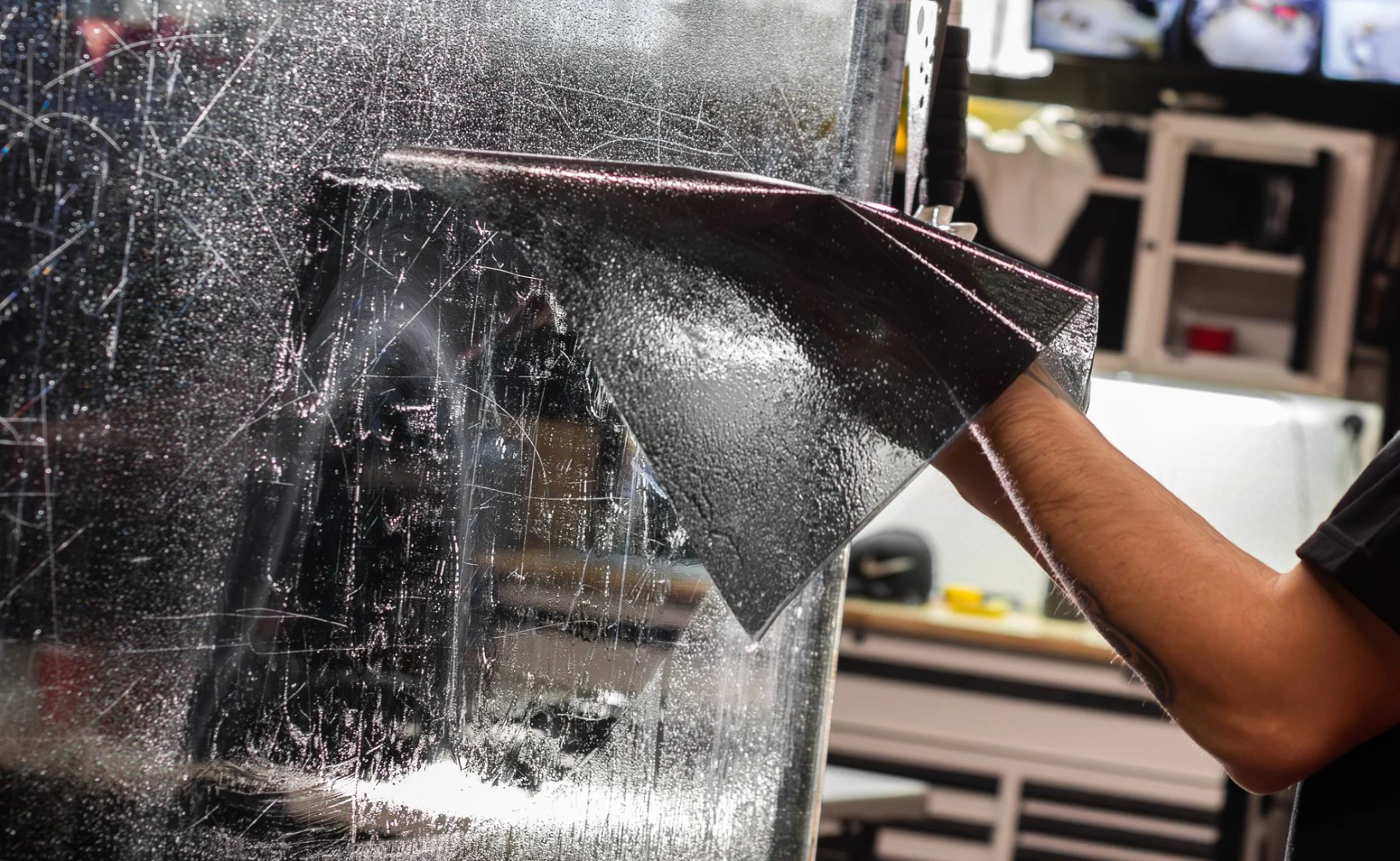
- Metallic Window Film: Metallic films are primarily cosmetic and don’t offer many benefits towards heat rejection. This type of film makes sense for drivers that prioritize looks, but it isn’t necessarily the best film for long-term comfort or performance. We would explain when this option makes sense, and when others would suit you better.
- Ceramic Window Tint: If your goal is to manage cabin heat, ceramic tint offers strong heat rejection, UV protection, and excellent visual clarity without requiring extremely dark shades to achieve this. This is our most popular option and the one we recommend most often because it delivers the most useful visual and physical benefits without unnecessary tradeoffs.
- Windshield Tint (Clear or Very Light): Most drivers think about tinting their cabin windows first, but the windshield can make one of the biggest differences in managing heat and glare if installed correctly. Clear or very light films reduce heat and glare while maintaining full forward visibility and legal compliance. The right choice is the one that fits how you drive, not the one that sounds most impressive on paper.
Does Window Tint Make Sense for My Older Vehicle?
Absolutely. Window tint is not limited to brand-new cars.
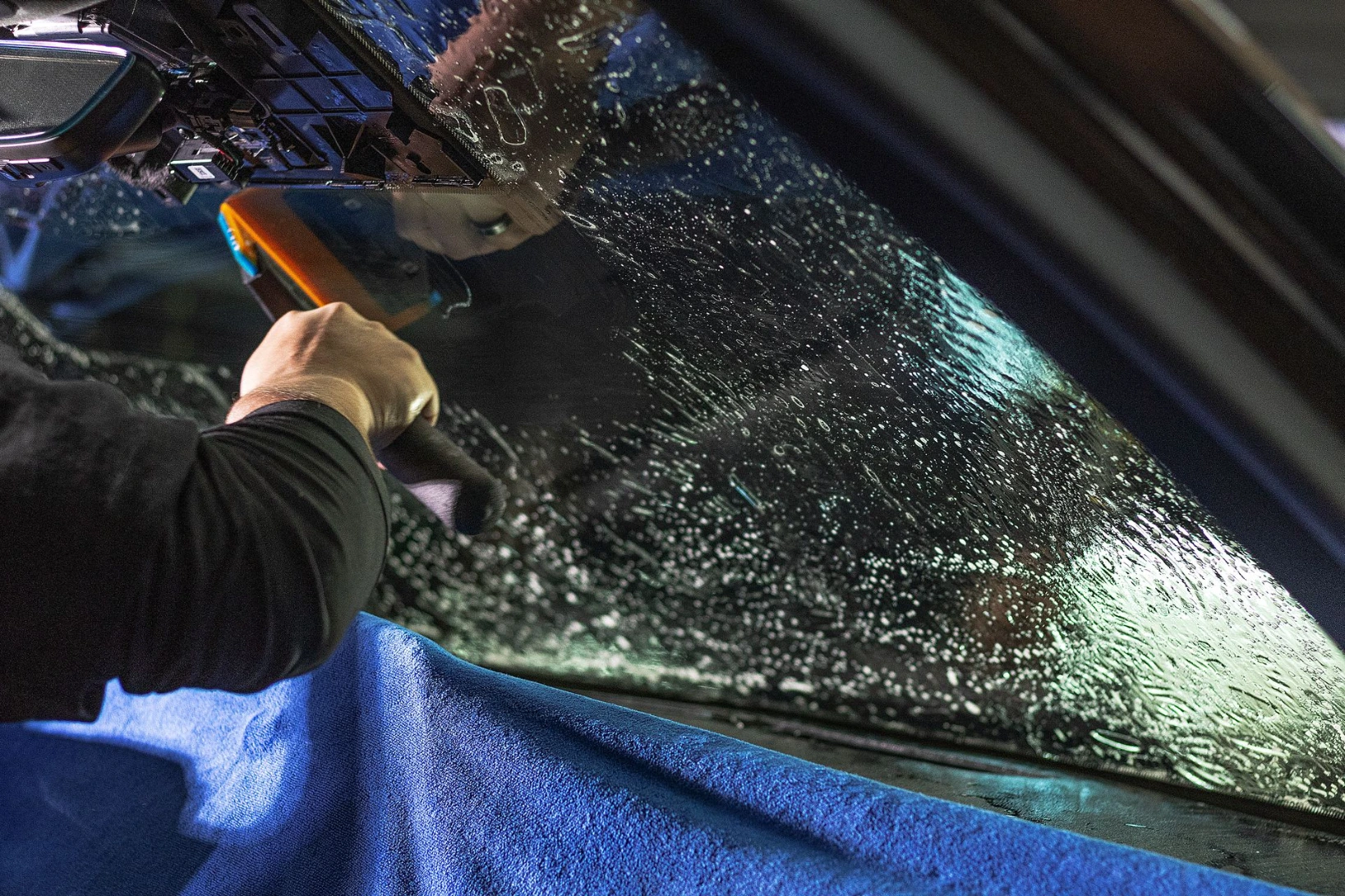
If your vehicle is in good condition, window tint is still a worthwhile investment that can improve comfort immediately and help protect the interior of your vehicle moving forward. Even on older vehicles, the reduction in heat and glare is noticeable right away.
As with any modification, the key is honest evaluation and setting realistic expectations.
Is Window Tint Right for You?
Window tint makes sense when daily comfort, glare reduction, privacy, or interior protection matter to you. For many drivers, especially those who live under Colorado’s high-altitude sun, the difference is noticeable the moment they get behind the wheel.
That said, it isn’t necessary for everyone.
The right decision depends on how much time you spend driving, where you park, your sensitivity to heat and glare, and how long you plan to keep your vehicle. Some drivers prefer a more subtle, lighter shade tint focused on UV protection. Others prioritize privacy, opting for darker shades. And in some cases, minimal or no tint at all may be the right choice.
Some clients come in knowing exactly what they want. Others are still researching. Both are welcome here. If you’d like help deciding what actually makes sense for your vehicle and how you drive, we’re always happy to walk through the options with you—no obligation attached.
Ready For Clarity?
If you’re still researching, that’s completely fine.
If you’d like help deciding what level of protection makes sense for your vehicle and your priorities, we’re here to talk about options: