
Quick Look:
- What Is Paint Protection Film (PPF)?
- Are There Different Types of Paint Protection Film?
- What Paint Protection Film Does Not Do
- Is Paint Protection Film Right for You?
Buying a brand-new car and driving it off the dealer lot is a great feeling, but once you start driving regularly, the reality of road wear sets in. While normal wear and tear is naturally unavoidable, there are ways to protect your vehicle’s paint and preserve its appearance for years to come.
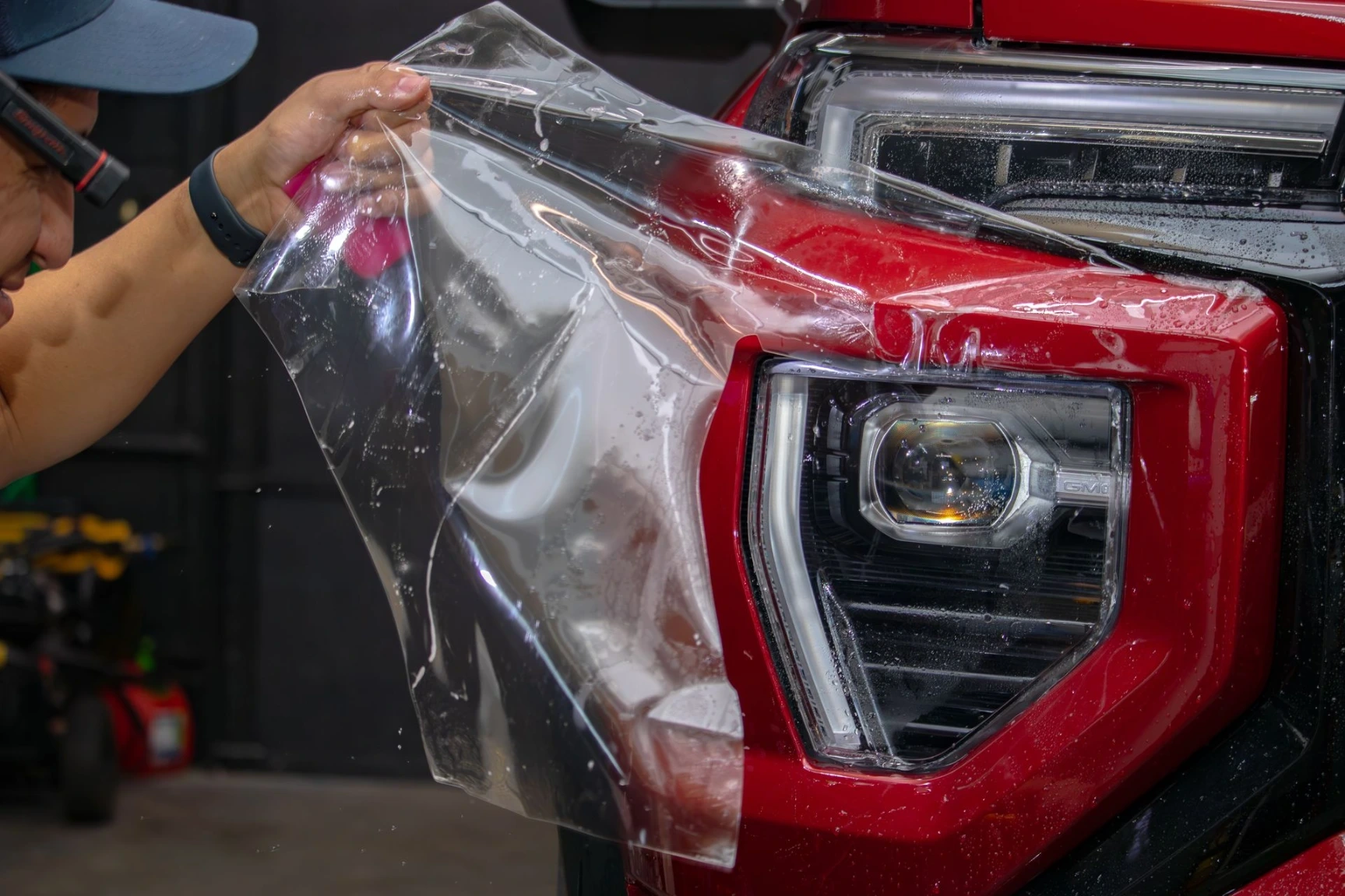
Paint Protection Film (PPF), popularly known and referred to as clear bra, is a clear and nearly invisible film designed to protect the high-impact areas of your vehicle from rock chips, road debris, and everyday driving wear.
In this guide, we’ll explain what paint protection film is, how it works, and how to decide whether it’s right for you.
What Is Paint Protection Film (PPF)?
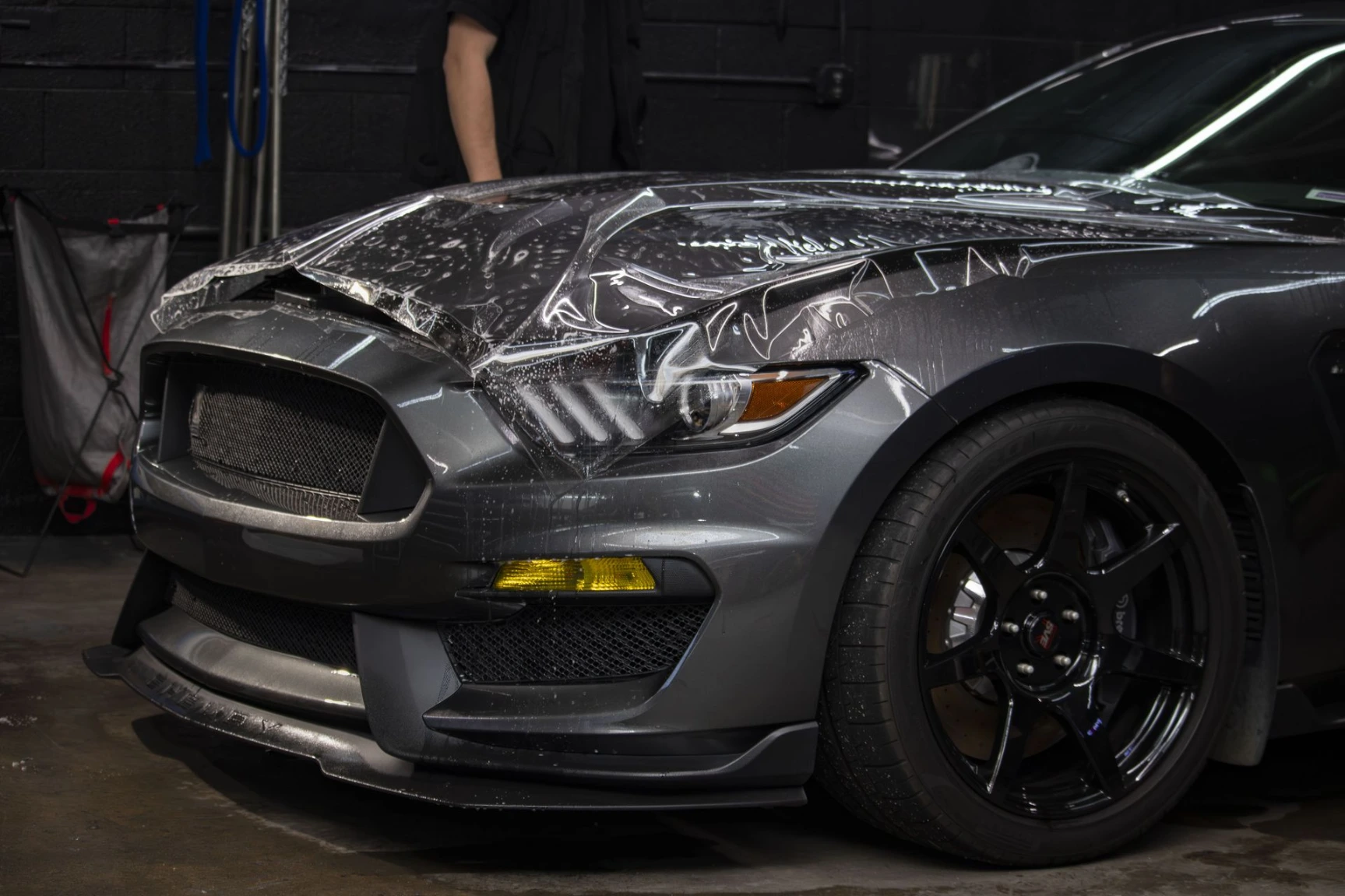
Paint protection film is a thin, clear polyurethane film with a self-adhesive backing that helps protect automotive paint and other exposed surfaces. It works by absorbing impacts from small road debris and outside elements, reducing surface wear that would otherwise damage your paint.
While PPF won’t prevent every possible mark, it significantly reduces the most common types of damage caused by daily driving.
When installed correctly, PPF helps:
Absorb rock chips and road debris
Reduce light scratches and swirl marks
Protect against bugs, tar, and road grime
Preserve the original paint underneath
Think of PPF as a sacrificial layer. It takes the hit so your paint doesn’t.
High-quality paint protection films use a specialized clear coat of elastomeric polymers that allow minor surface scratches to self-heal when exposed to heat from the sun, warm water, or similar heat sources. This helps the film maintain its appearance over time without frequent polishing or yellowing.
High-quality PPF typically lasts several (up to 10 or more) years when properly installed and maintained. Longevity depends on driving conditions, sun exposure, and how the vehicle is cared for.
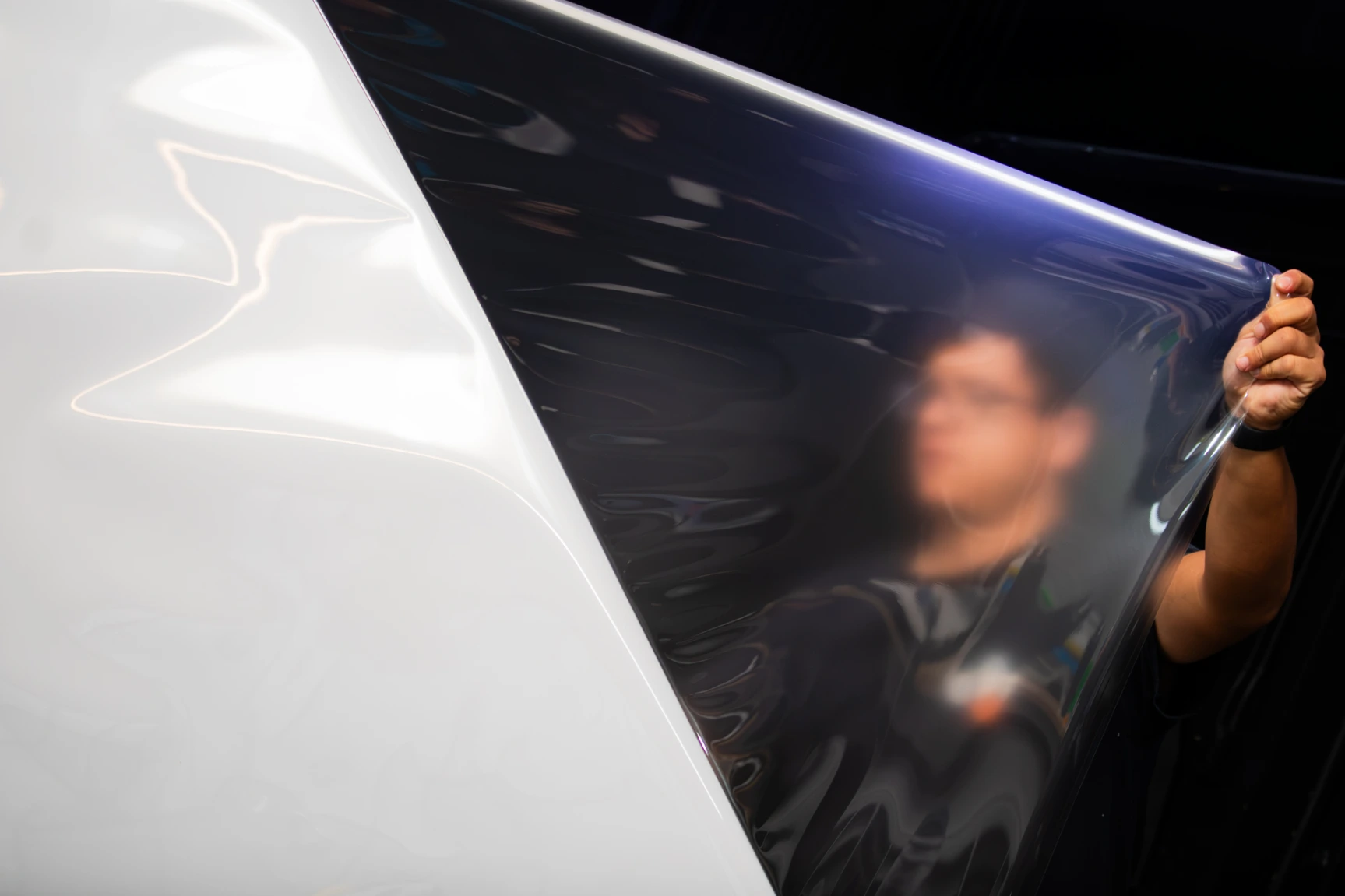
Yes. While the most common and widely recommended option is clear paint protection film (often called clear bra), there are a few variations designed for different goals.
Are There Different Types of Paint Protection Film?
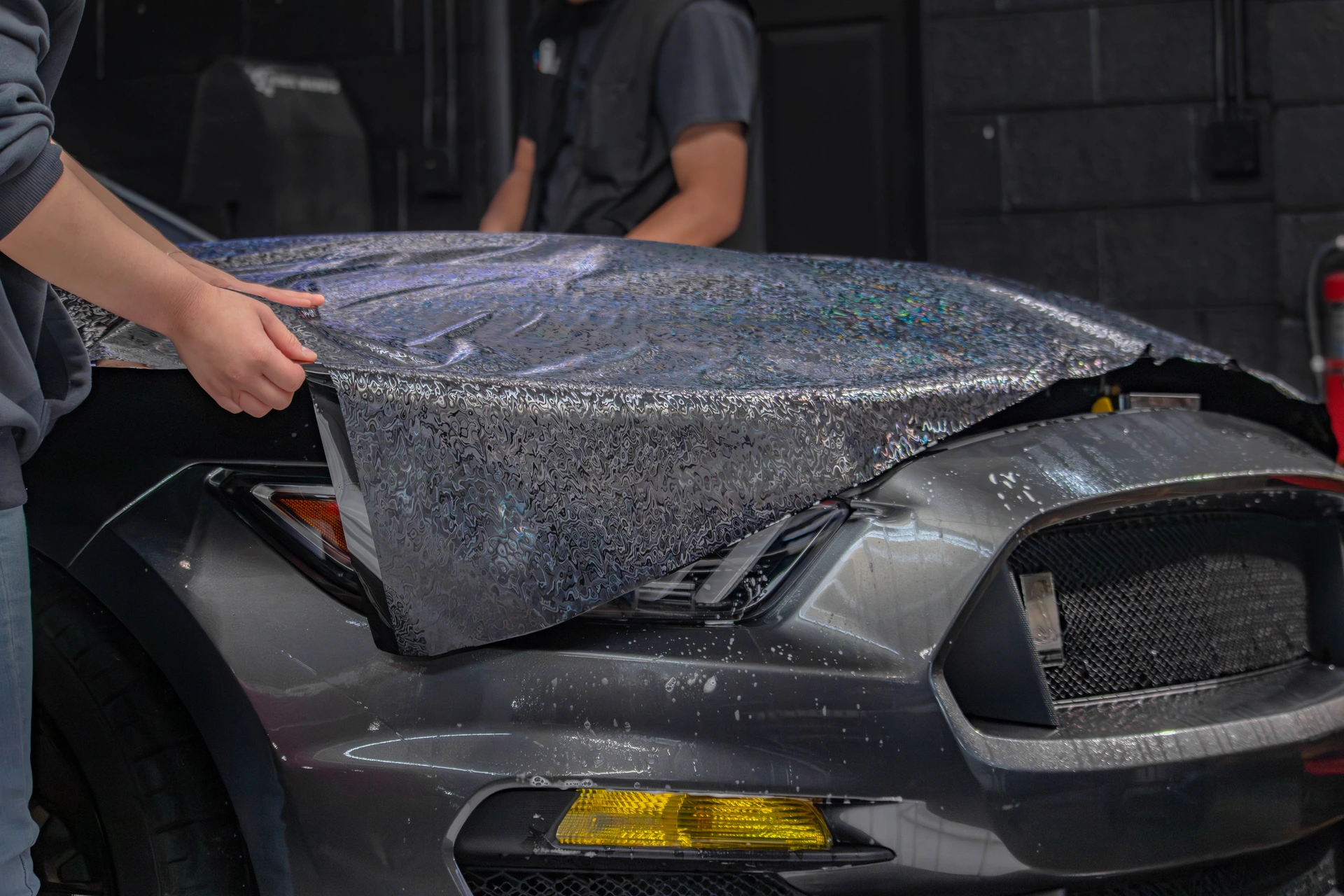
Matte or satin PPF is typically used on vehicles with factory matte paint, or by owners who want a satin finish without permanently changing their vehicle’s original paint. There are also colored and specialty PPF options that combine protection with visual customization.
For most new car owners focused on preserving their vehicle rather than altering its appearance, clear paint protection film remains the most practical and popular choice. Specialty films can make sense in certain situations, but they’re usually chosen for aesthetic reasons rather than just protection.
What Paint Protection Film Does Not Do
Paint protection film does not make your vehicle indestructible or bulletproof. It won’t prevent major dents or damage from sharp, heavy, or high-speed impacts.
PPF also isn’t a replacement for proper care of your vehicle. Like any protective material, it still requires routine maintenance to perform well over time. Careful driving and regular washing matter in the longevity of your film.
PPF is a tool. When used intentionally, it’s extremely effective at reducing everyday paint damage.
Is Paint Protection Film Right for You?
If you’ve just purchased a new vehicle and plan to drive it daily (especially on the highway for long commutes,) paint protection film is often a practical, informed choice rather than an overprotective one.
Daily driving exposes your vehicle to rock chips, road debris, bug splatter, and grime kicked up by traffic. Over time, that exposure gradually wears down high-impact areas like the front bumper, hood, and mirrors. These are important factors to consider, especially if you plan on keeping your vehicle for years.
Rather than spending hundreds or even thousands of dollars correcting paint damage after it appears, quality PPF helps prevent that damage from happening in the first place by absorbing impacts before they reach your paint.
That said, PPF is an investment. Costs vary based on vehicle size, driving habits, and the areas you choose to protect. Deciding whether paint protection film is right for you and how much coverage makes sense depends on a few personal factors, including:
How and where you drive
Where you park
How long you plan to keep the vehicle
How much cosmetic wear bothers you
If you have an older vehicle and the paint is in good condition or recently corrected, in some cases PPF can still make sense and isn’t just limited to brand-new cars.
That said, vehicles with existing chips, scratches, or worn clear coats often require paint correction before PPF installation. Because paint condition matters, not every older vehicle can have PPF installed without the right preparation first.
When it does make sense, PPF can help slow further wear and preserve the condition of the paint going forward. The key is evaluating the vehicle honestly and setting realistic expectations before moving forward.
We walk through these factors openly, even if the conclusion is that partial coverage or no PPF at all makes the most sense for you.
Ready For Clarity?
If you’re still researching, that’s completely fine.
If you’d like help deciding what level of protection makes sense for your vehicle and your priorities, we’re here to talk about options: